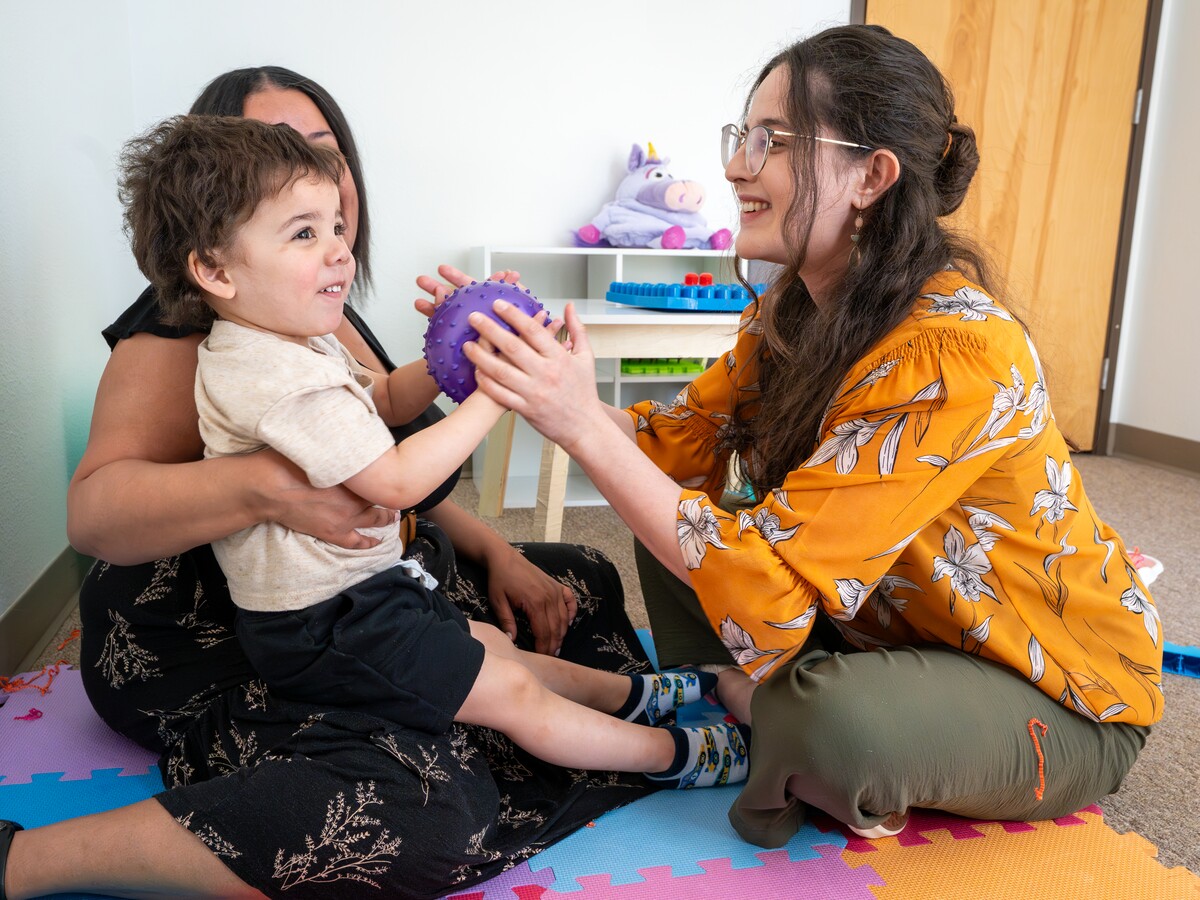
Prevention Science Institute
The Prevention Science Institute unites faculty expertise from various disciplines, leading to cutting edge discoveries and major impact on improving youth and family health and well-being.
More than 300 programs across nine schools and colleges. Find your path — from undergraduate degrees to advanced research.
ÌÇÐĹÙÍø OverviewYour journey to the ÌÇÐĹÙÍø starts here. Submit an application, explore financial aid and scholarships, or schedule a campus visit.
Admissions OverviewLife at the ÌÇÐĹÙÍø is more than classes. It's community, culture, and the kind of experiences that shape who you become.
Student Life OverviewAt a time of national emergency in child and adolescent mental health, researchers across the ÌÇÐĹÙÍø are building human-focused solutions that can scale.
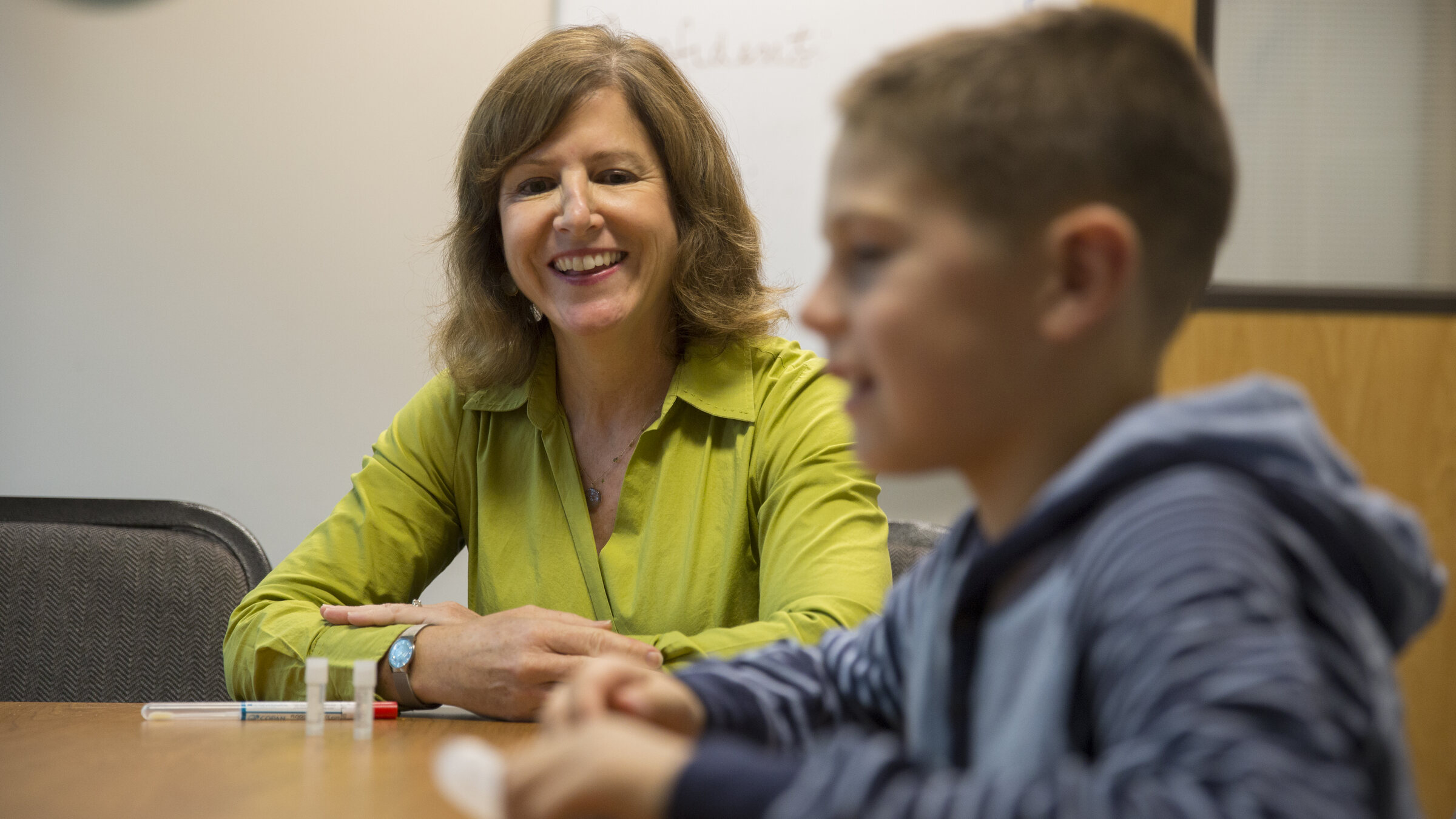

Oregon's ecosystem of institutes and labs meet challenges in youth mental and behavioral health head on.
The Prevention Science Institute unites faculty expertise from various disciplines, leading to cutting edge discoveries and major impact on improving youth and family health and well-being.
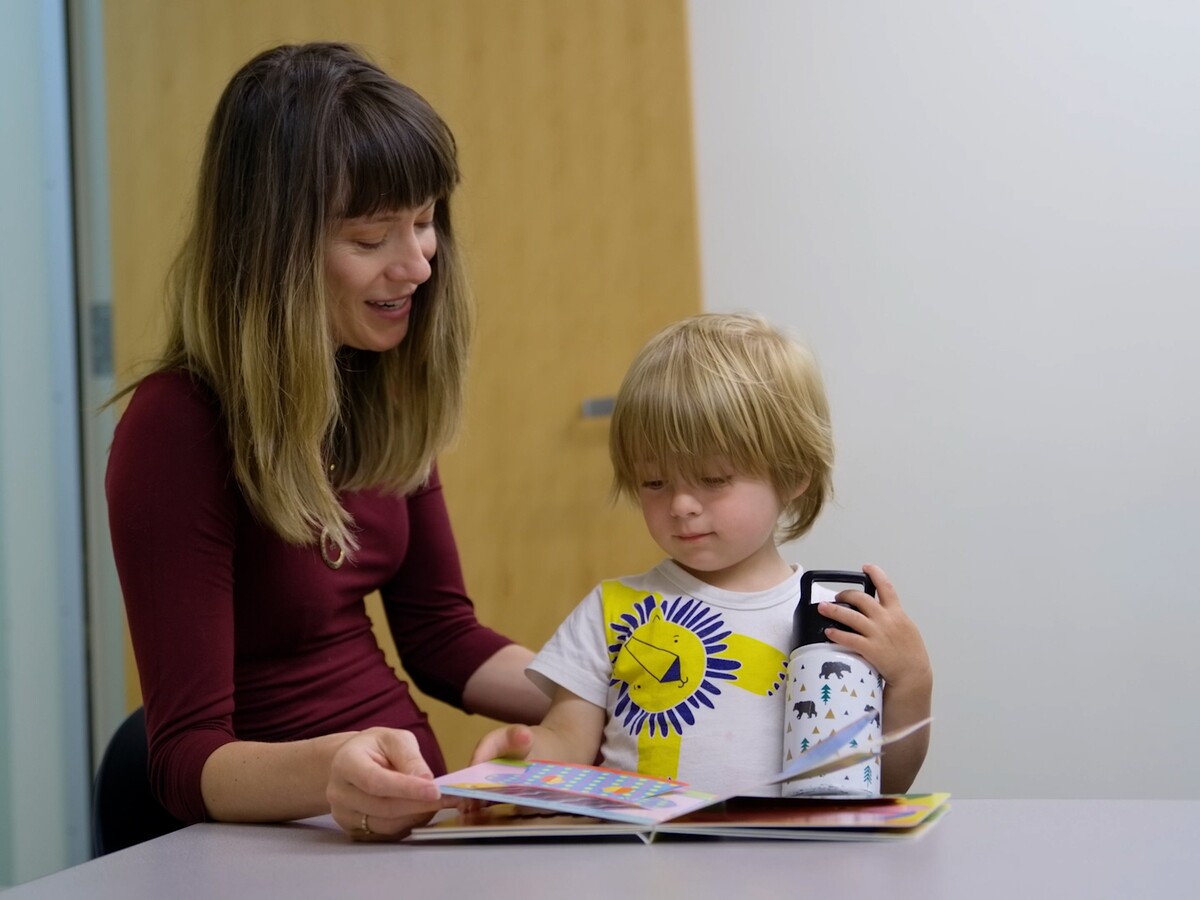
The ACCESS Center's researchers connect with families and schools to deliver evidence-based mental health support for youth—especially those from underserved communities.
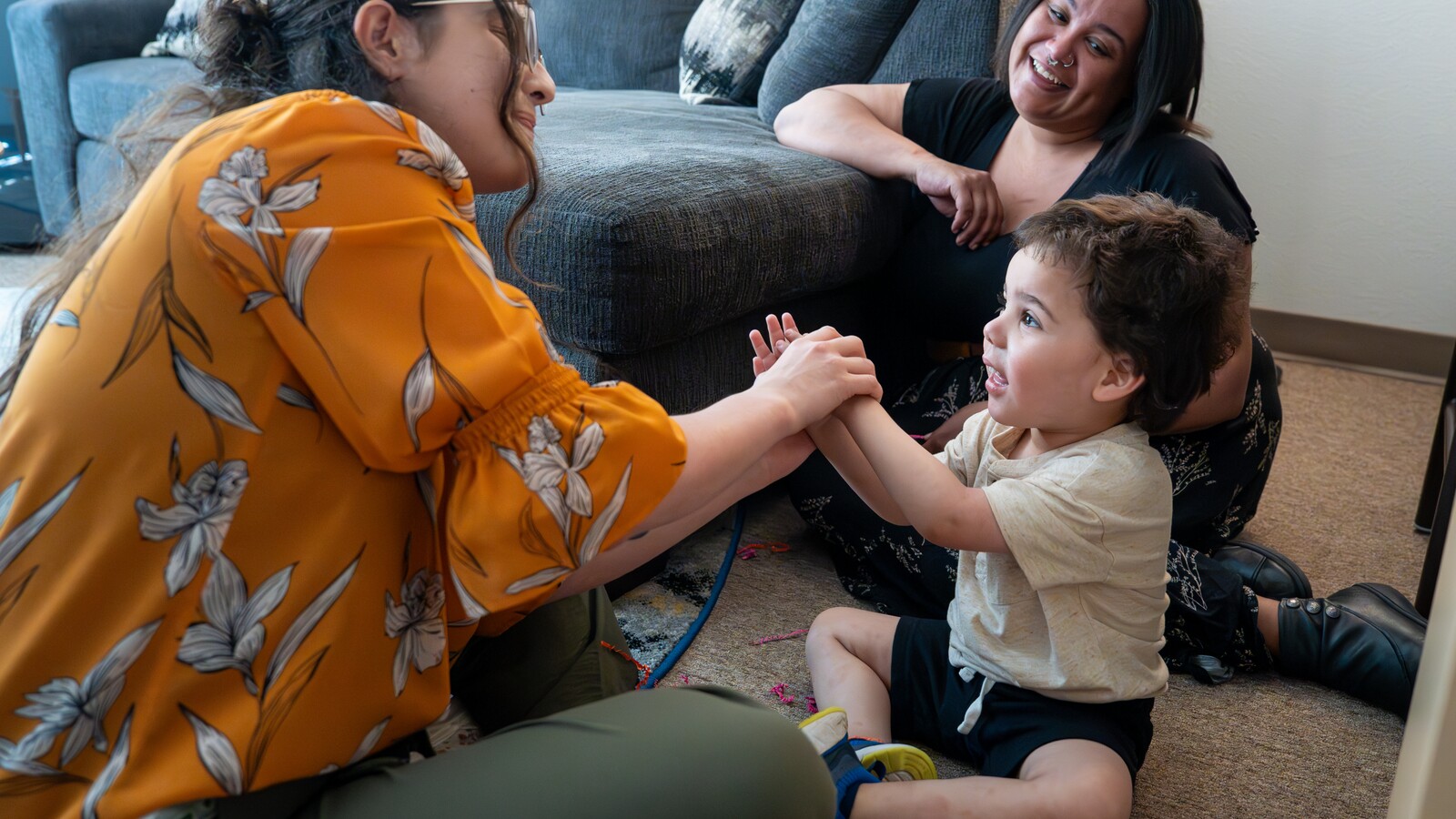
The START Lab studies how emotion regulation develops and breaks down—and how to stop mental health disorders from passing from parents to children.
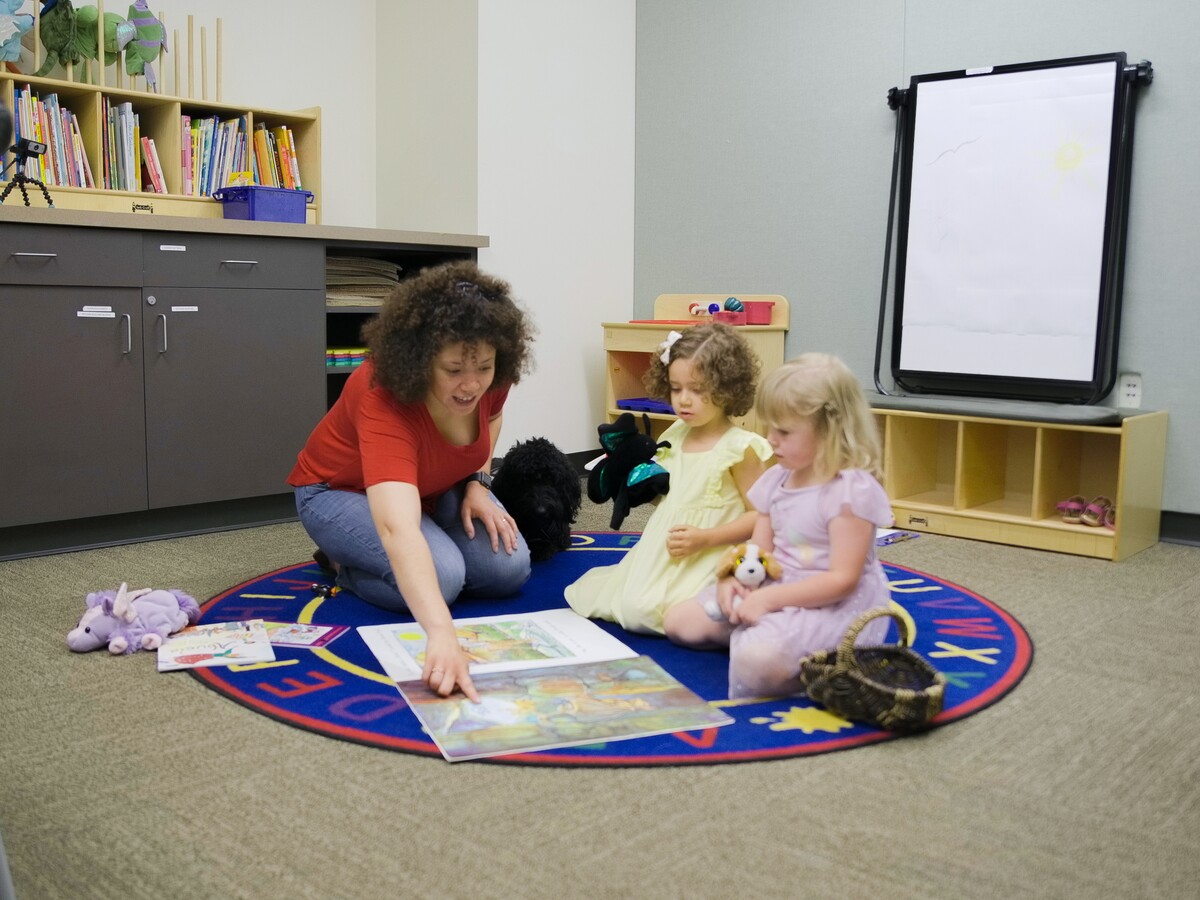
The ADAPT Lab investigates how biological, social, and environmental factors shape adolescent emotional development and drive risk for depression, anxiety, and substance use.
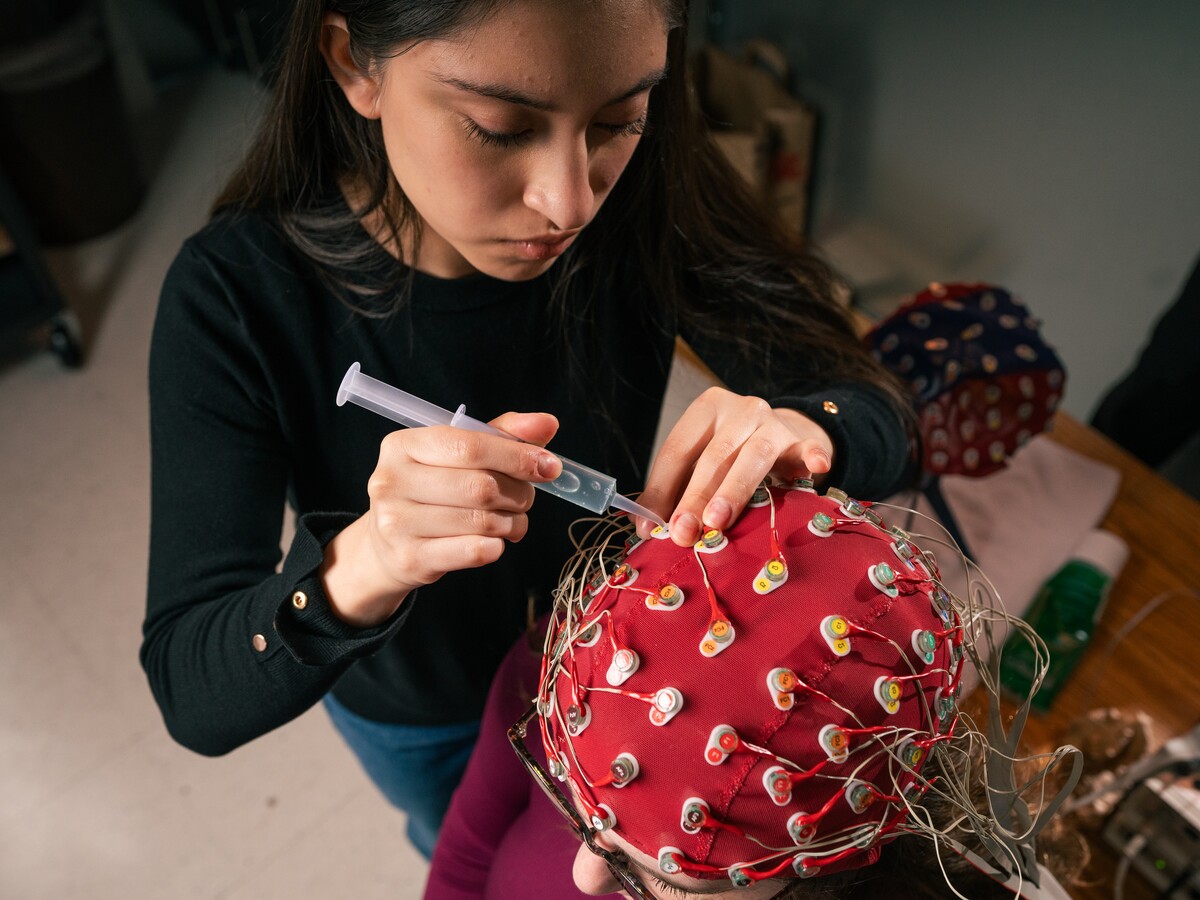
This interdisciplinary center brings together UO researchers in psychology, education, and other fields to translate knowledge about the brain into practical tools to improve mental health.

By studying risks related to parenting, foster care, gene-environment interplay, human development, and peer relationships, the Basic and Applied Prevention Science Lab helps families and communities reduce risky behaviors and improve public health outcomes.
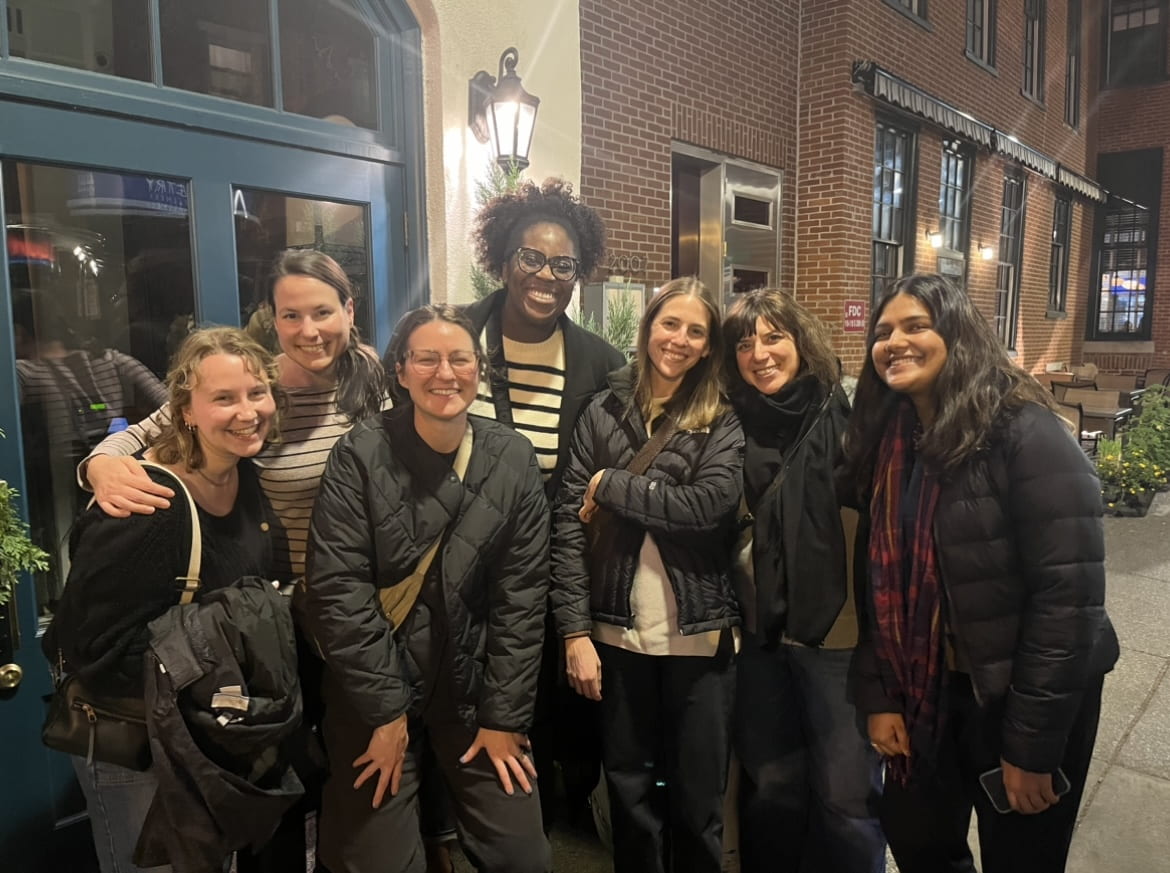
The School of Education's Leap Lab expands access to evidence-based mental health treatments for underserved children and families in low-resource settings.
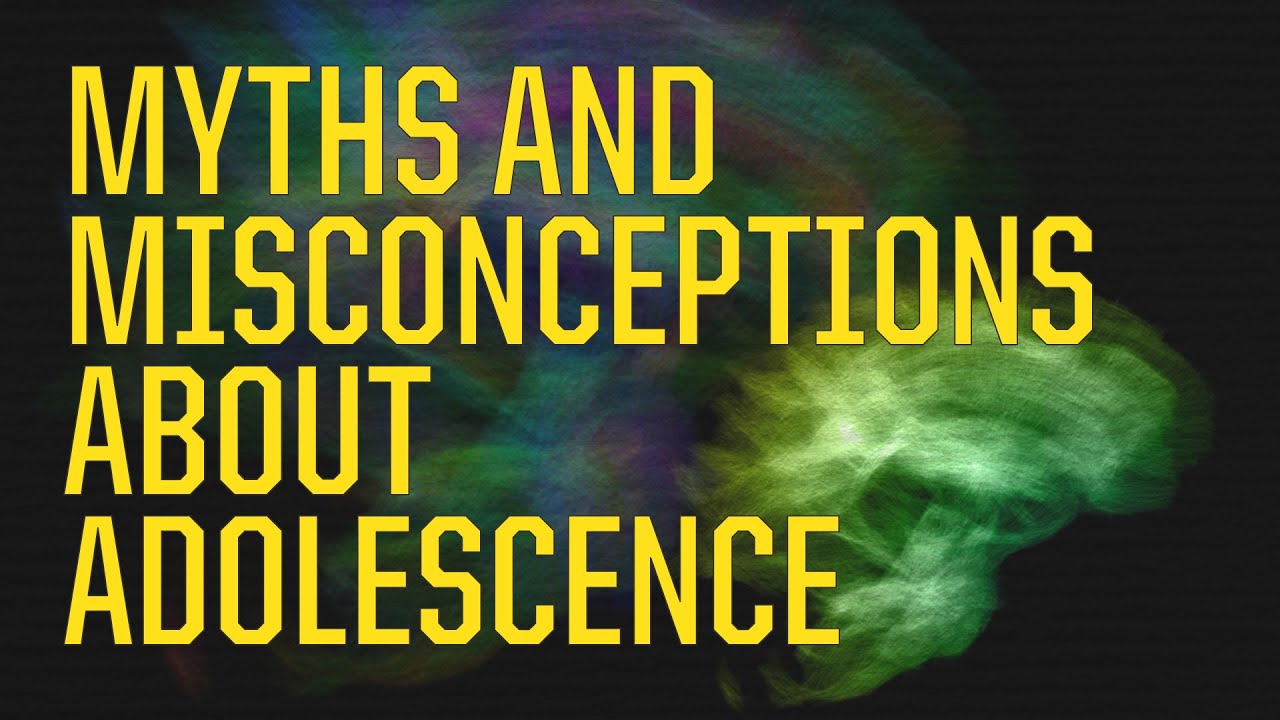
Jennifer Pfeifer is making big moves in the study of adolescent brains, as well as teens' changing hormones and social lives. Professor Pfeifer shares her work with the public to debunk long held myths about teenagers.
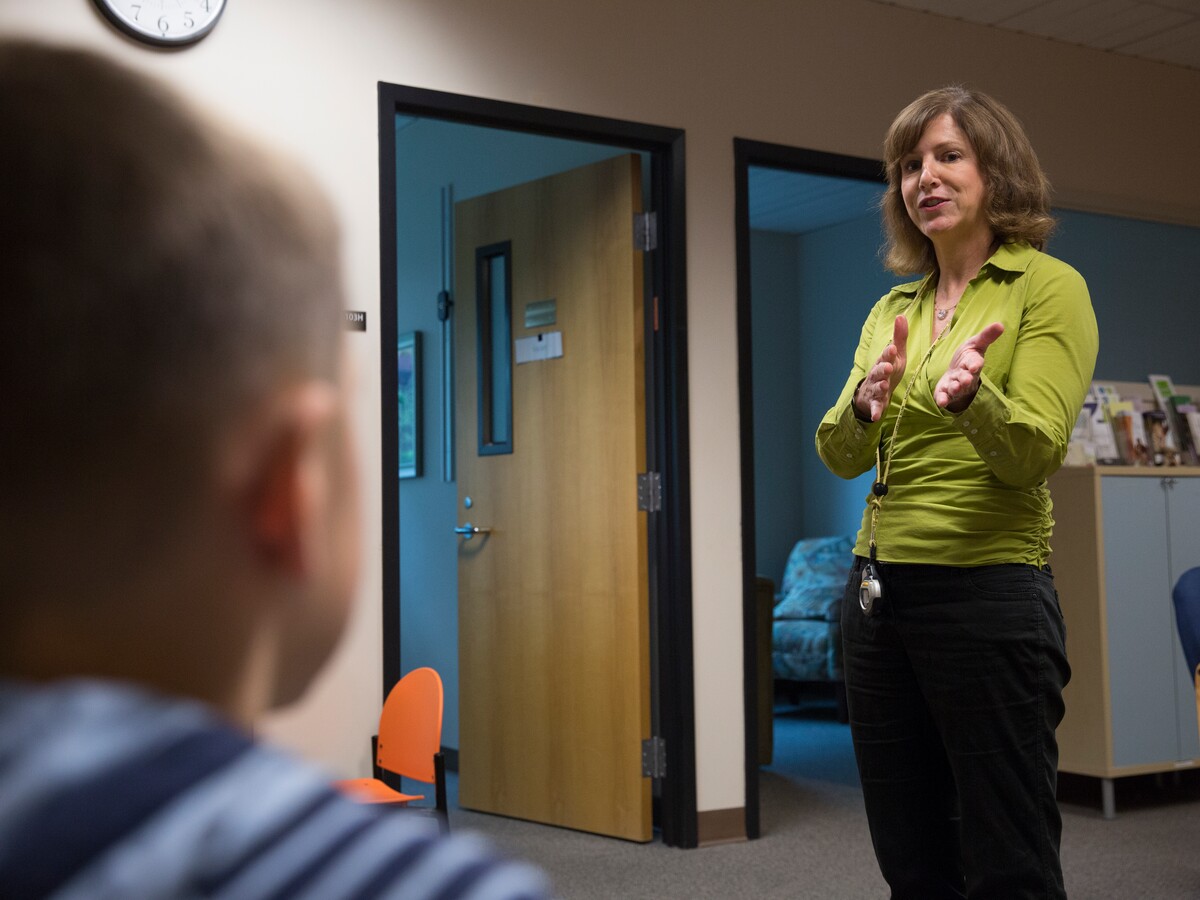
Researchers at the Ballmer Institute are investigating the effects of poor sleep on child behavior. Their findings translate rapidly into practice—from interventions to parent recommendations.
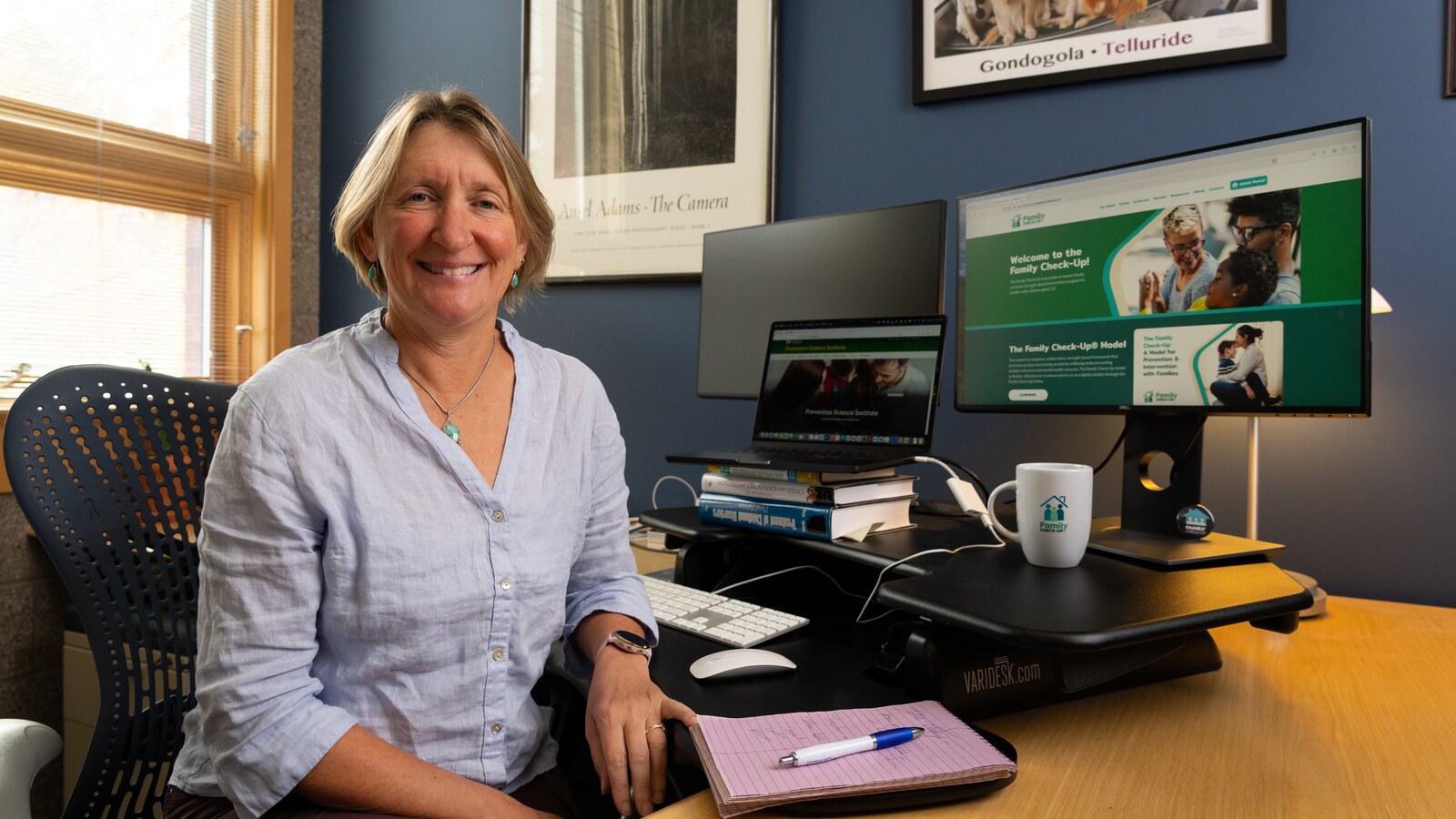
Supported by a highly competitive federal Small Business Innovation Research (SBIR) and Small Business Technology Transfer (STTR) award, the Family Check-Up is an app developed at the ÌÇÐĹÙÍø that improves family relationships and reduces child mental health concerns, particularly in rural areas and in families struggling with addiction.
In the News
In 2022, in response to the ongoing child mental health crisis, the ÌÇÐĹÙÍø opened the groundbreaking Ballmer Institute for Children's Behavioral Health. The institute conducts research that supports youth well-being and is laying the foundation for a new behavioral health profession—a national first.
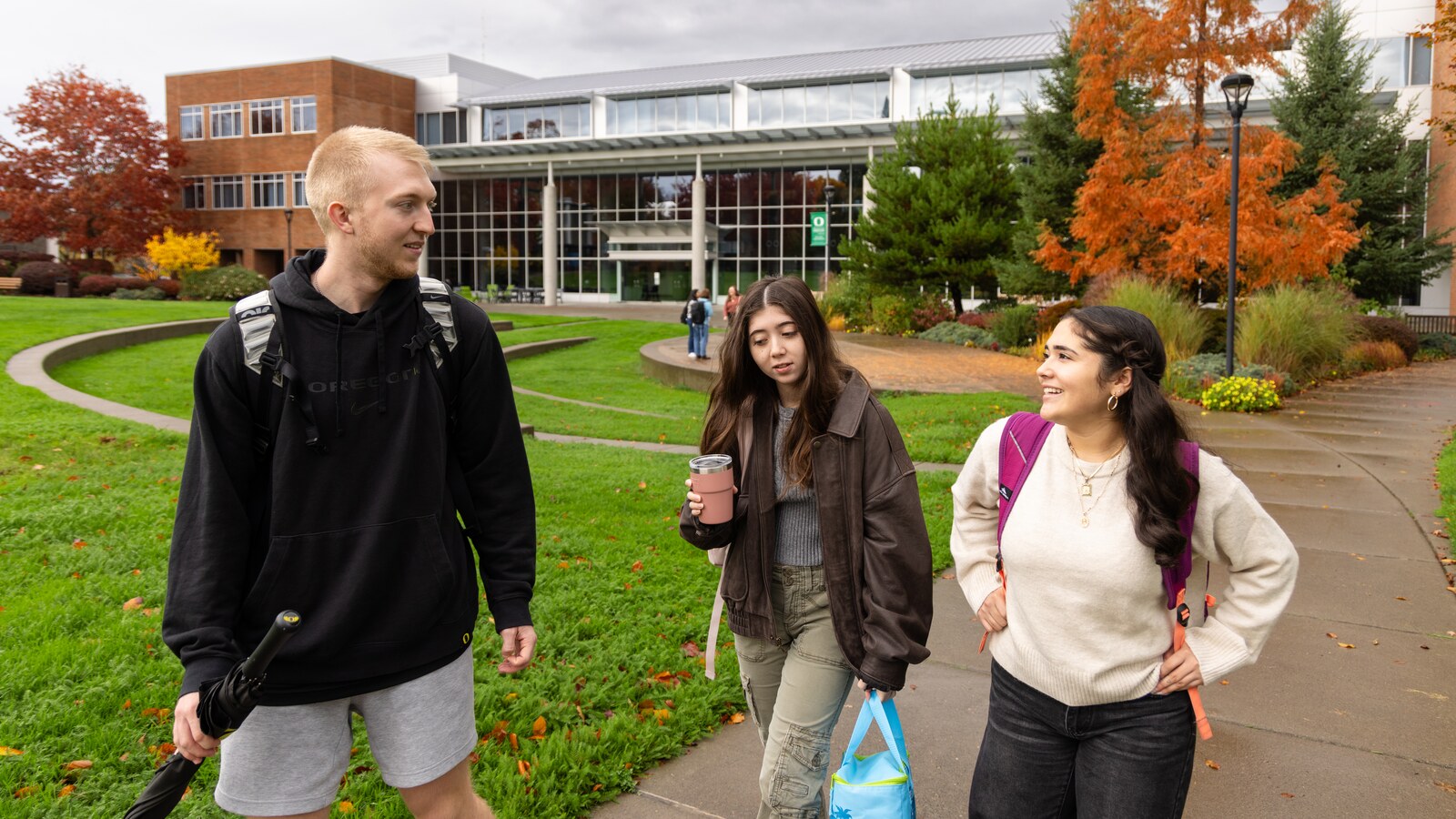
Institute Research
Ballmer Institute faculty partner with researchers from across campus to investigate, test, and build scientifically supported models to expand mental health service access and train a new generation of behavioral health providers. A special focus on culturally responsive, community-based practices ensures that all youth and families receive access to care.
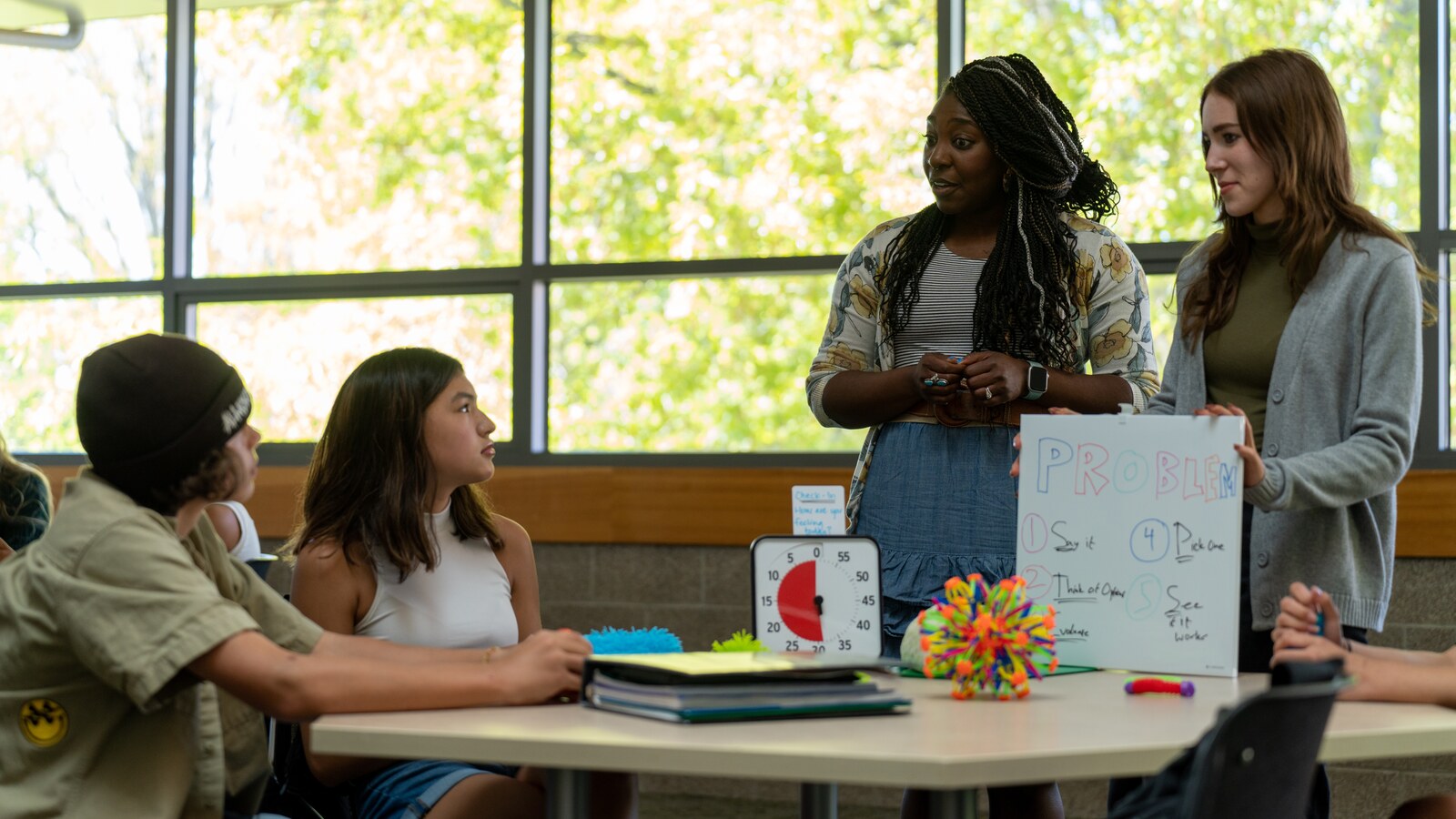
Many Perspectives
The Ballmer Institute builds on Oregon's strengths in psychology and prevention science, bringing together a transdisciplinary faculty with deep research experience, particularly in areas like prevention science, developmental psychology, school psychology, and family systems.
From Research to Practice
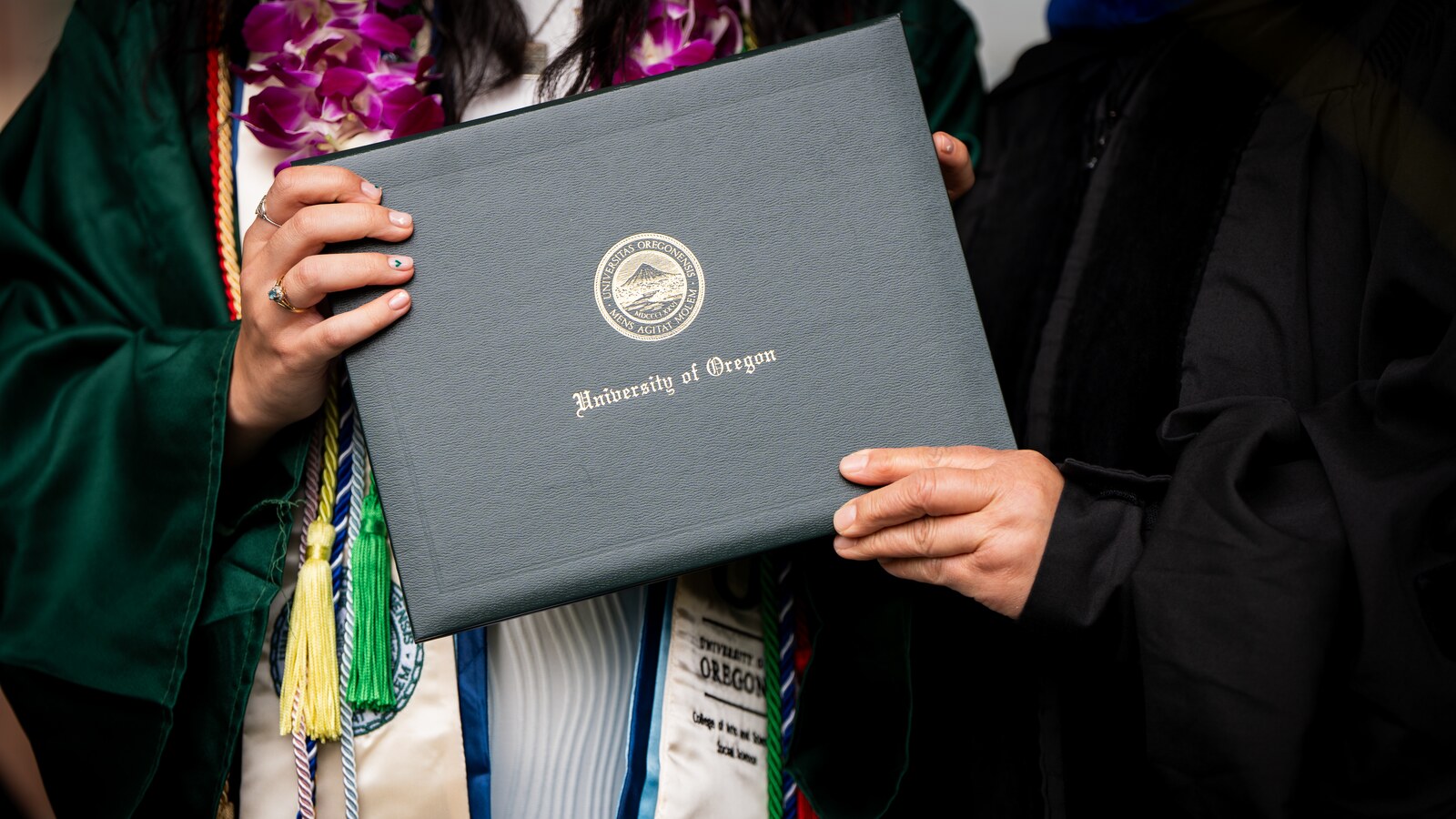
Faculty research anchors a first-of-its kind bachelor's-level training program that's establishing a new professional role to address the nation's urgent behavioral health workforce needs. Faculty design and deliver this innovative program, integrating evidence-based strategies that support early identification, prevention, and intervention. Faculty also supervise students' applied practice in the community and ensure that training reflects the most current scientific evidence.
A Replicable Model
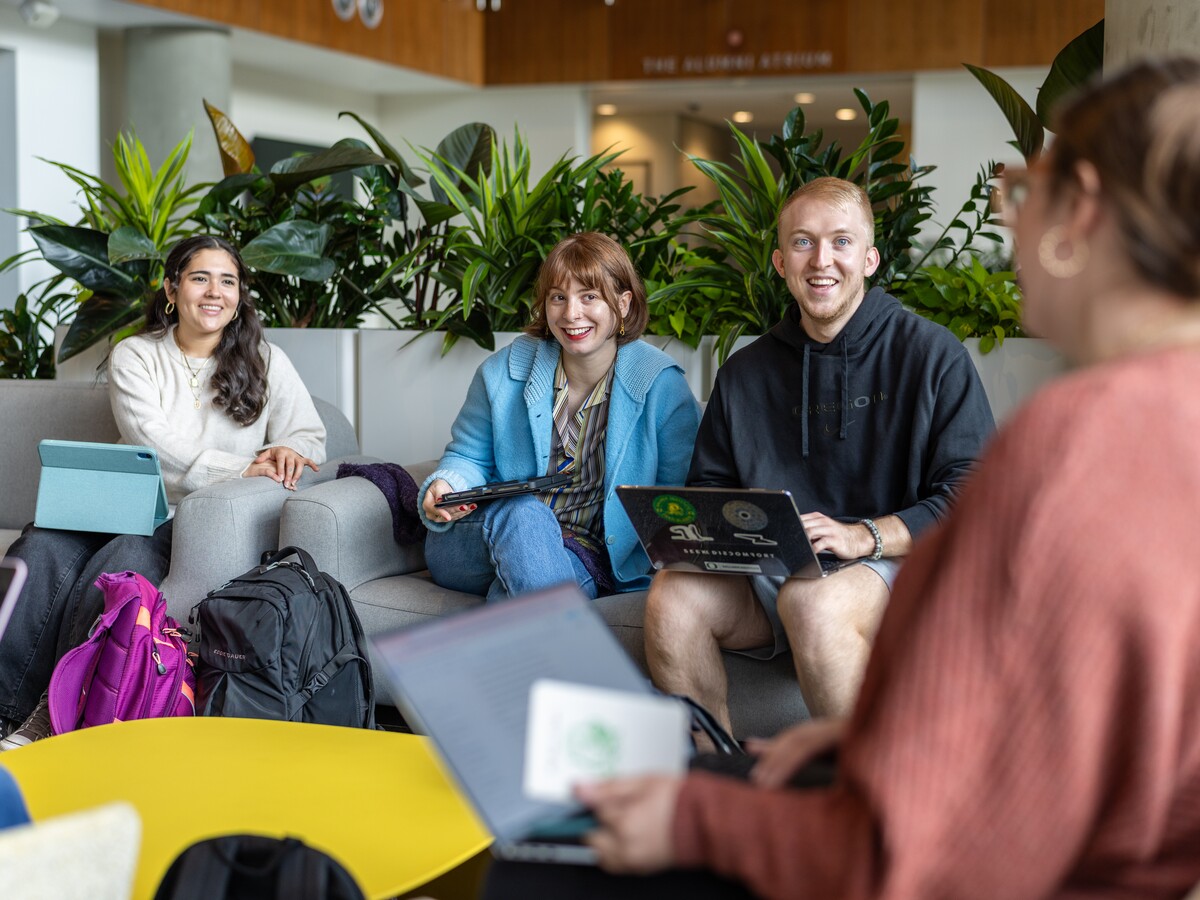
In 2026, the Oregon State Legislature established a new license for behavioral health and wellness practitioners that aligns with the institute's groundbreaking bachelor's-level training program. The Ballmer Institute is partnering with universities to disseminate the program, helping to expand this new profession nationwide and power a national workforce that's skilled in delivering prevention and intervention services for youth.